Individualized Cognitive Simulation
Modeling the unique, deeper thought processes and decision behaviors of a specific human being.
Research
My research asks how language models can better understand, adapt to, and simulate individuals or particular people rather than treating all users, speakers, and contexts with the same generic assumptions.
Modeling the unique, deeper thought processes and decision behaviors of a specific human being.
Building interactive systems that reason over user goals, conversational history, preferences, and social context.
Studying compact representations that preserve the information models need while reducing context and computation costs.
This project studies whether language models can simulate the deeper thought processes and decision behaviors of specific individuals rather than only imitating surface-level style.
This project studies Vision-Text Augmentation (VTA), a complementary direction to vision-text compression where text is rendered into image space and varied through factors such as font, spacing, layout, and highlighting.
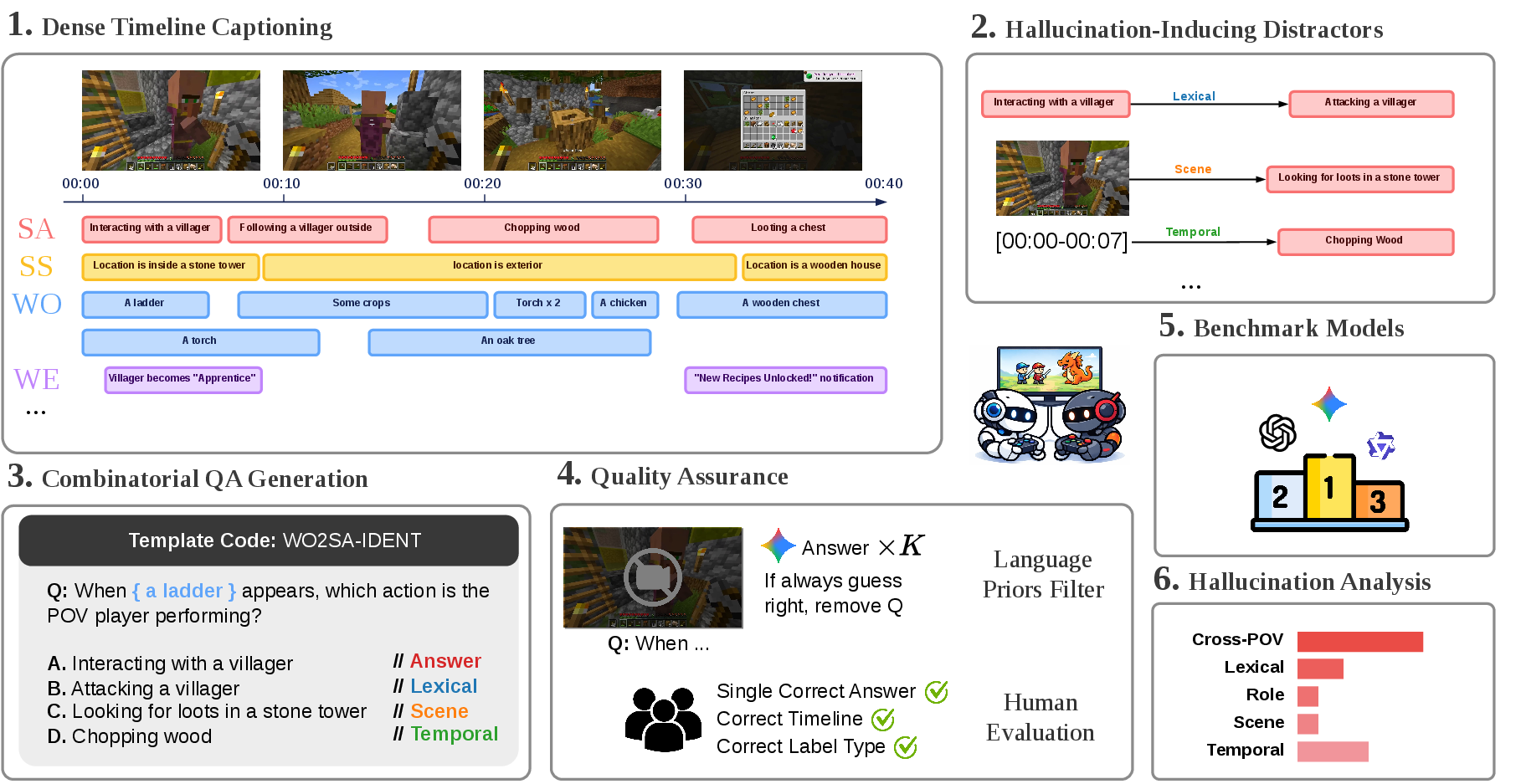
GameplayQA evaluates multimodal models in fast-paced 3D virtual environments where agents must track self state, other agents, world events, and temporally synchronized perspectives. The benchmark is designed to expose failures in temporal grounding, role attribution, and cross-video reasoning. Project website.
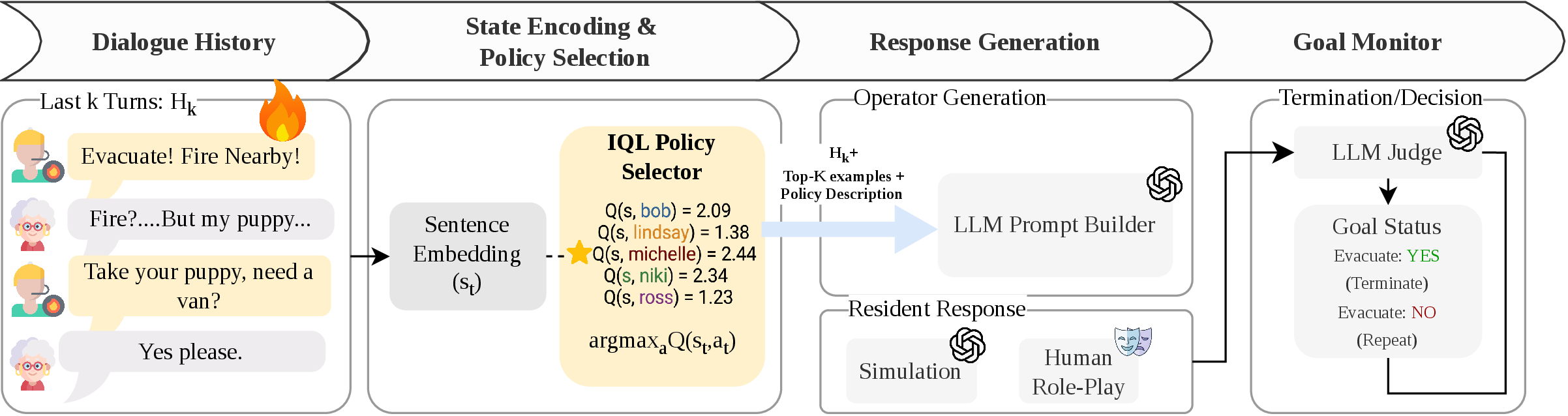
DiPS studies adaptive policy selection for persuasion agents in high-stakes dialogue settings. The system selects a persuasion policy from recent conversation state, conditions generation on strategy descriptions and retrieved examples, and evaluates whether the interaction reaches a successful outcome.
For the latest publication list, see my Google Scholar profile.